Common Causes of Damage to Concrete Flatwork
People seeking damage to concrete flatwork repair often want to fix cracks, spalling, or uneven surfaces, and local service providers can handle these common issues effectively.
Understanding the common causes of damage to concrete flatwork can help property owners take proactive steps to preserve the integrity and appearance of their surfaces. Whether it’s cracks developing over time, surface spalling, or uneven settling, these issues often stem from factors such as improper installation, exposure to harsh weather conditions, or heavy loads. Recognizing these potential problems early can make a significant difference in preventing costly repairs down the line. Local contractors experienced in concrete flatwork repair can assess the specific causes affecting a property and recommend effective solutions tailored to the situation.
For property owners in the area, exploring the reasons behind damage to concrete flatwork is a practical way to safeguard investments and maintain property value. Whether dealing with cracks caused by temperature fluctuations or surface deterioration from repeated heavy traffic, understanding the root causes can guide decisions about repairs and future maintenance. Connecting with local service providers who specialize in concrete flatwork repair ensures access to knowledgeable professionals equipped to address these issues efficiently. Keep reading to learn more about common causes and how local experts can help restore and protect concrete surfaces.
- Driveway expansion or heavy vehicle traffic - when increased load or frequent vehicle use causes cracking or shifting, local contractors can assess and reinforce the flatwork to prevent further damage.
- Exposure to freeze-thaw cycles - in colder climates, repeated freezing and thawing can lead to surface spalling, which local service providers can repair through surface patching or resurfacing.
- Poor initial installation or subgrade issues - improper base preparation often results in uneven settling or cracking, and local pros can evaluate and correct foundation problems to restore flatwork integrity.
- Water infiltration and drainage problems - standing water or poor drainage can weaken concrete over time, prompting local contractors to improve runoff and perform necessary repairs to prevent further deterioration.
- Tree root intrusion or ground movement - shifting soil or roots can lift or crack concrete flatwork, and local service providers can perform excavation and stabilization to address the damage.
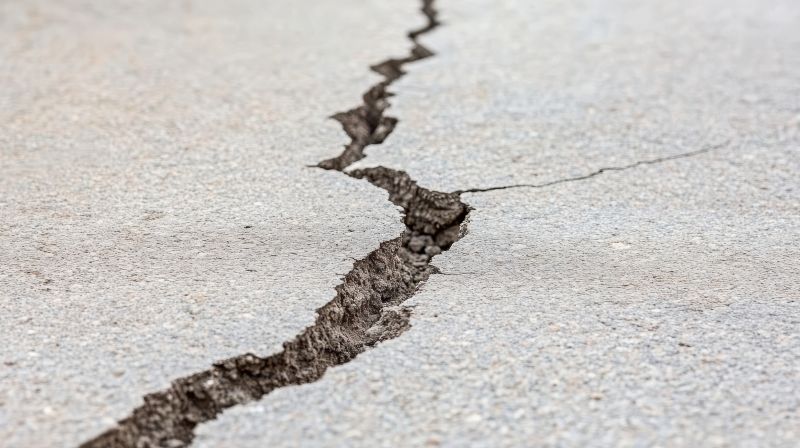
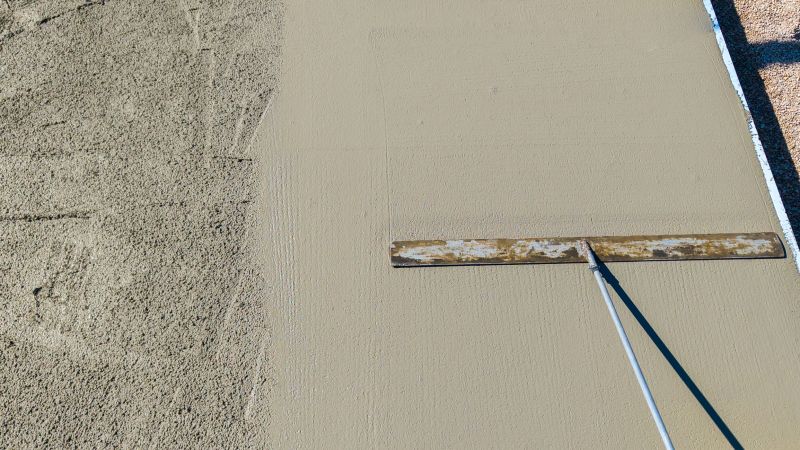
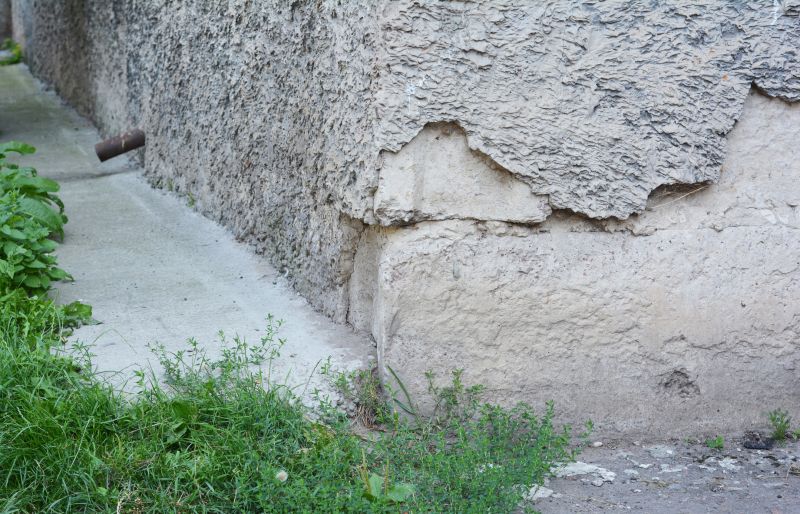
Understanding the common causes of damage to concrete flatwork is essential for homeowners looking to maintain the integrity and appearance of their outdoor surfaces. Concrete flatwork, which includes driveways, patios, walkways, and other paved areas, is susceptible to various issues that can compromise its strength and safety over time. Many property owners search for this topic when noticing cracks, uneven surfaces, or surface deterioration, aiming to identify the root causes before considering repair options. Recognizing these common problems helps homeowners plan effective maintenance or repairs, and it highlights the importance of working with local contractors who specialize in concrete flatwork repair.
One of the primary causes of damage to concrete flatwork is exposure to moisture. Water infiltration can occur from heavy rainfall, poor drainage, or even seasonal freeze-thaw cycles. When water seeps into small cracks or porous areas of the concrete, it can expand as it freezes, leading to larger cracks or even spalling-where pieces of concrete break away. Over time, repeated freeze-thaw cycles can significantly weaken the surface, creating a hazardous or unsightly condition. Local service providers experienced in concrete flatwork repair are often called upon to address these issues, applying sealing or repair techniques to prevent further moisture intrusion and damage.
Another common cause of damage involves improper installation or subgrade preparation. If the ground beneath the concrete isn’t properly prepared or compacted, it can settle unevenly over time, causing the surface to crack or become uneven. This type of damage is often seen in newer installations where the base wasn’t adequately stabilized. Additionally, heavy loads from vehicles or equipment can exert excessive pressure on the flatwork, especially if the concrete isn’t designed to handle such weight. Local contractors can assess these issues, recommend appropriate repairs, or suggest reinforcement solutions to restore the flatwork’s stability and extend its lifespan.
Environmental factors and chemical exposure also play a significant role in damaging concrete flatwork. Exposure to de-icing salts, oils, or other chemicals can accelerate surface deterioration, especially when combined with moisture. Over time, chemical reactions can weaken the surface and cause discoloration or surface scaling. Heavy foot traffic or repeated use of certain substances can exacerbate these problems. When these issues arise, local concrete repair specialists can perform cleaning, surface treatments, or patching to address surface damage and prevent further deterioration. Proper maintenance and timely repairs from experienced service providers are key to preserving the longevity and safety of concrete flatwork properties.
Paving projects - skills in preparing and installing surfaces are similar to those needed for repairing damage caused by environmental stress on concrete flatwork.
Driveway construction - involves understanding foundation issues and surface finishing, which are relevant when addressing cracks and deterioration in flatwork.
Patio and walkway installation - planning and executing flat surfaces require knowledge of materials and drainage, helping to prevent damage from water infiltration.
Garage floor coatings - requires surface preparation and repair techniques that are applicable when fixing surface damage to concrete flatwork.
Concrete leveling services - focus on restoring flatness and stability, directly related to repairing uneven or sunken concrete caused by damage.
Foundation repair projects - involve addressing underlying issues that can lead to damage in adjacent concrete flatwork, making their skills relevant for comprehensive repairs.
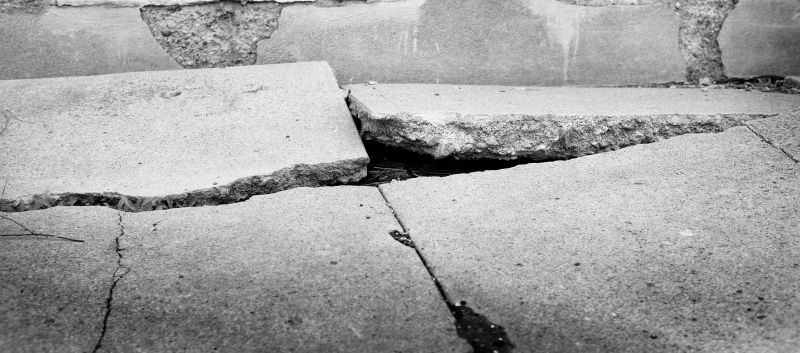
When evaluating service providers for concrete flatwork repair, it is important to consider their experience with similar projects. Homeowners should seek out local contractors who have a proven track record of addressing common causes of damage to concrete flatwork, such as cracking, spalling, or uneven settling. A contractor with relevant experience is more likely to understand the underlying issues that lead to damage and can recommend appropriate repair solutions. Reputable references and examples of past work can provide insight into their ability to handle specific challenges related to concrete flatwork and ensure that the repair methods employed are effective and durable.
Clear written expectations are essential when comparing local pros for concrete flatwork repair services. Homeowners should look for providers who offer detailed proposals outlining the scope of work, materials to be used, and the estimated process for repairs. Having these expectations documented helps prevent misunderstandings and ensures that both parties agree on the project’s objectives. Transparent communication about what the repair process entails and what results to expect can also help homeowners make informed decisions and select a service provider that aligns with their needs.
Good communication and reputable references are key factors in choosing the right local contractor for concrete flatwork repair. Service providers who are responsive and willing to answer questions demonstrate professionalism and a commitment to customer satisfaction. Additionally, seeking out references or reviews from previous clients can offer valuable insights into the contractor’s reliability, quality of work, and ability to handle specific issues related to damage caused by common factors like freeze-thaw cycles, poor drainage, or soil movement. These qualities contribute to a smoother repair process and help ensure that the homeowner’s concerns are addressed effectively throughout the project.
Property owners often search for common causes of damage to concrete flatwork when they are planning practical projects around their homes and businesses. Local pros provide Damage to Concrete Flatwork Repair services for everyday jobs and straightforward project options.
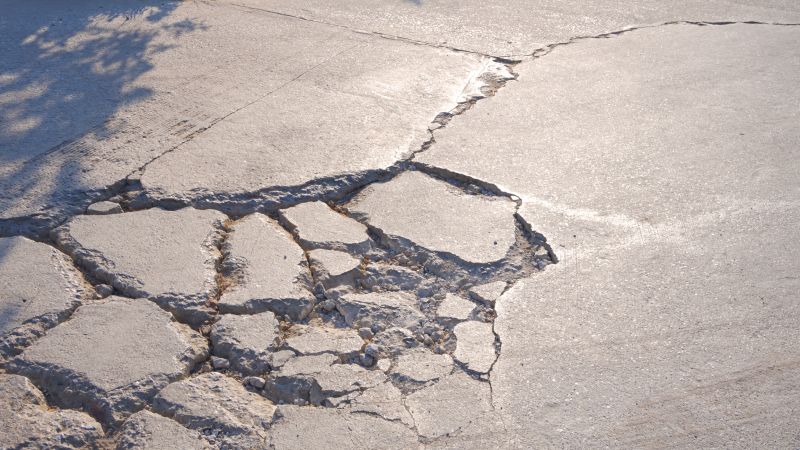
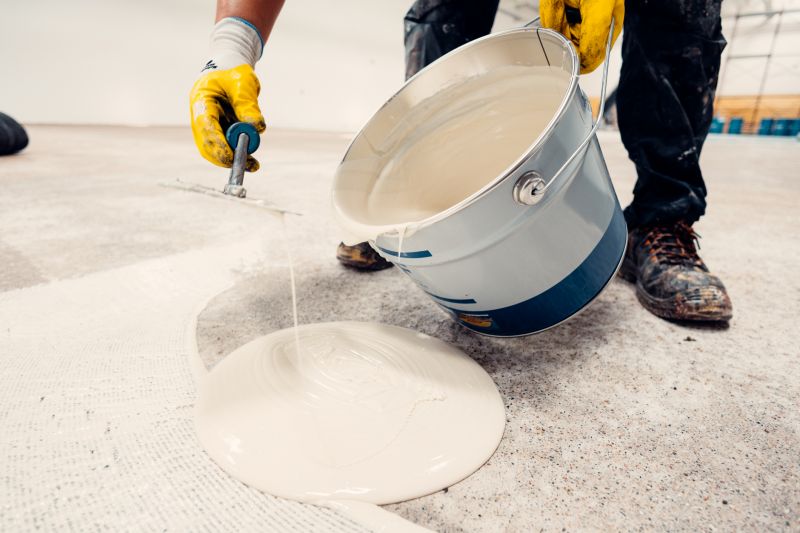
Concrete flatwork can be vulnerable to a variety of common causes of damage that property owners often encounter in everyday projects. Heavy foot traffic, frequent vehicle parking, or repeated loads can lead to cracking, chipping, or surface deterioration over time. Additionally, exposure to moisture, especially in areas with poor drainage or frequent rain, can cause the concrete to weaken or develop spalling. Improper installation techniques, such as inadequate reinforcement or insufficient curing, also contribute to early damage, making the flatwork more prone to cracking or settling issues.
When damage occurs, property owners frequently seek out repair services provided by local contractors to restore the integrity and appearance of their concrete flatwork. Damage to concrete flatwork repair specialists can assess the extent of the issues, perform necessary patching or resurfacing, and address underlying causes to prevent future problems. Engaging experienced local service providers ensures that repairs are handled effectively, helping to extend the lifespan of the flatwork and maintain the property's value.
What are common causes of damage to concrete flatwork? Common causes include freeze-thaw cycles, improper curing, heavy loads, and exposure to harsh chemicals, which can lead to cracking, spalling, and deterioration. Local contractors experienced in flatwork repair can assess and address these issues effectively.
How does improper installation contribute to damage? Poor installation practices, such as inadequate reinforcement or insufficient joint placement, can cause early cracking and uneven settling. Skilled service providers can correct installation flaws and reinforce the concrete to prevent future damage.
Can environmental factors cause damage to concrete flatwork? Yes, exposure to moisture, temperature fluctuations, and salt or chemical exposure can accelerate deterioration. Local pros can evaluate environmental impacts and recommend suitable repair or protective measures.
What role does heavy or frequent traffic play in damaging concrete flatwork? Heavy loads and constant foot or vehicle traffic can lead to surface wear, cracking, and compaction issues. Repair specialists can restore the integrity of the flatwork and reinforce it for better durability.
How do chemical spills affect concrete flatwork? Spills of chemicals like acids, oils, or de-icing salts can cause surface staining and chemical corrosion, weakening the concrete. Local contractors can perform cleaning and repairs to mitigate chemical damage and restore flatwork strength.
Heavy loads and overuse - property owners can prevent damage by avoiding excessive weight on concrete flatwork and consulting local contractors for proper load management.
Poor drainage and water exposure - ensuring proper grading and drainage around flatwork can reduce water-related damage, with local pros providing necessary repairs.
Freeze-thaw cycles - understanding climate impacts and scheduling repairs with local service providers can help mitigate cracking caused by temperature fluctuations.
Improper installation or curing - hiring experienced local contractors for correct installation and curing practices can extend the lifespan of concrete flatwork.
If you are thinking about common causes of damage to concrete flatwork for a property, this guide is meant to help you understand this topic, the typical project types, and how different options might fit your plans.
When you are ready, you can use the quote form on this page to share a few details about your project. From there, local pros can review the basics and follow up with options that match what you have in mind.